

Many studies suggest that regular tea consumption can have health benefits. However, it’s important to know that tea contains some fluoride, and different types of tea contain different levels of this compound.
Fluoride in Tea
As the controversy swells regarding fluoride in drinking water, it’s important to look at our diet to recognize other sources of fluoride.
One potential source is tea. There are varying levels of fluoride in some popular teas: black, green, white, herbal, and oolong tea.
Fluoride Levels in Different Types of Tea
| Type of Tea | Age of Tea Leaves | Fluoride Content | Notes |
|---|---|---|---|
Black tea | mature | high | leaves oxidized after harvest to create unique flavors |
Green tea | mature | high | not oxidized, preserves flavonoids, catechins and polyphenols associated with health benefits |
Oolong tea | mature | medium/high | oxidation time is halfway between green and black tea |
White tea | buds and young leaves | low | 3x more antioxidants than green or black tea |
Herbal tea | herbal tea is not made from a true tea plant | none | made from flowers, roots, herbs, etc. |
Should You Be Worried?
For most tea drinkers, even those who enjoy a couple of cups daily, you don’t need to worry. The fluoride levels in tea are generally considered to be safe as long as normal amounts are consumed. However, if you have specific concerns, talk to your doctor. Note: If you are pregnant and drink a lot of tea, consult your doctor.
How Does Fluoride Get Into Tea Leaves?
Tea plants can absorb fluoride through the soil and air from several sources:
- Naturally occurring fluoride in the local soil
- Fluoridated irrigation water
- Atmospheric pollutants
- Polluted rain and groundwater
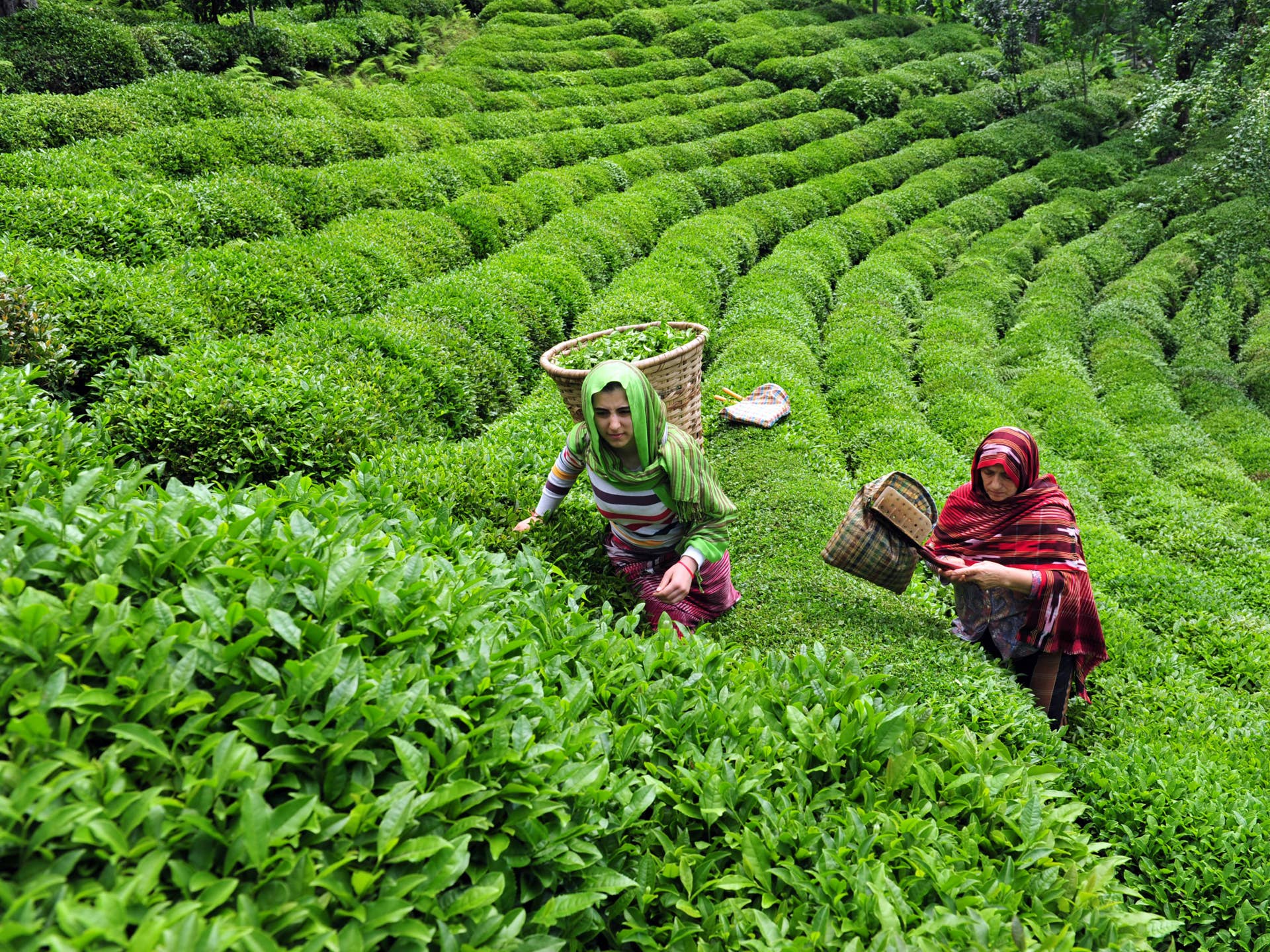
All tea comes from the Camellia sinensis plant. When this plant grows, the roots absorb fluoride from the sources listed above and deposit the majority of it in the leaves.
You might wonder if fluoride is absorbed by other crops, as well. The answer is yes, to some degree, but the tea plant happens to be what’s called a fluoride hyperaccumulator. That means this plant is more efficient than other plants at absorbing fluoride through its root structure.
Since older, more mature leaves have had more time for this absorption, they contain up to 20 times more fluoride than younger tea leaves.
Which Teas Have the Most Fluoride?
The longer the tea leaves remain on the plant, the more fluoride they have absorbed through the root structure. This means we need to look at the various types of tea and how old their leaves are when they are harvested.
The table above, with data from the Linus Pauling Institute at Oregon State University, shows the age of the leaves used in various types of tea. Here they are in a list ranked from high to low:
- Black: high (mature leaves)
- Green: high (mature leaves)
- Oolong: medium/high (mature leaves)
- White: low (tea buds and young leaves)
- Herbal: none (not made from a true tea plant)
Again, the younger the tea leaves, the less fluoride they contain.
Fluoride Levels in Loose Leaf vs. Tea Bags
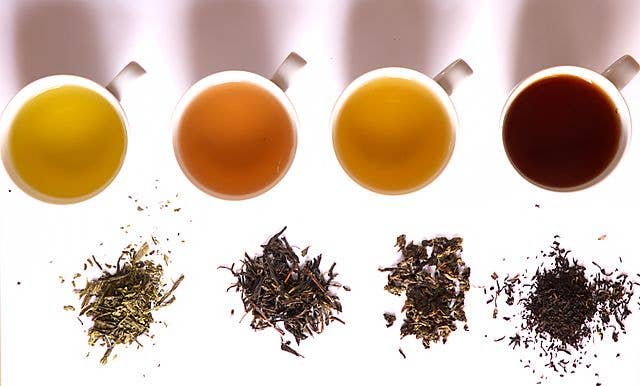
Do fluoride levels vary between loose-leaf teas versus teas made with tea bags? The answer, as with many things is that it depends. A study published in the Scandinavian Journal of Public Health found the following:
Fluoride Concentrations
- Loose leaf green tea: 1.28–1.50 mg/L
- Loose leaf black tea: 0.72–4.50 mg/L
- Loose leaf oolong tea: 0.56–1.58 mg/L
- Tea bags: 0.34–2.67 mg/L
- Loose leaf white tea: 0.33–1.17 mg/L
Some of these ranges are narrow, whereas others are much larger. This is explained by the range of variations within each category. For example, many different brands produce loose leaf black tea, and each brand might produce many types of black tea (e.g., Earl Grey, English Breakfast, etc.). Fluoride levels can vary quite a lot from one type and brand to the next.
Does Organic Tea Contain Fluoride?
Organic tea can potentially contain the same amount of fluoride as non-organic tea. This is because the relevant fluoride isn’t coming from fertilizers or pesticides; it’s likely coming from sources that an organic farm wouldn’t have any control over, including naturally occurring fluoride in the local soil, atmospheric pollutants, fluoridated irrigation water, or rain and groundwater.
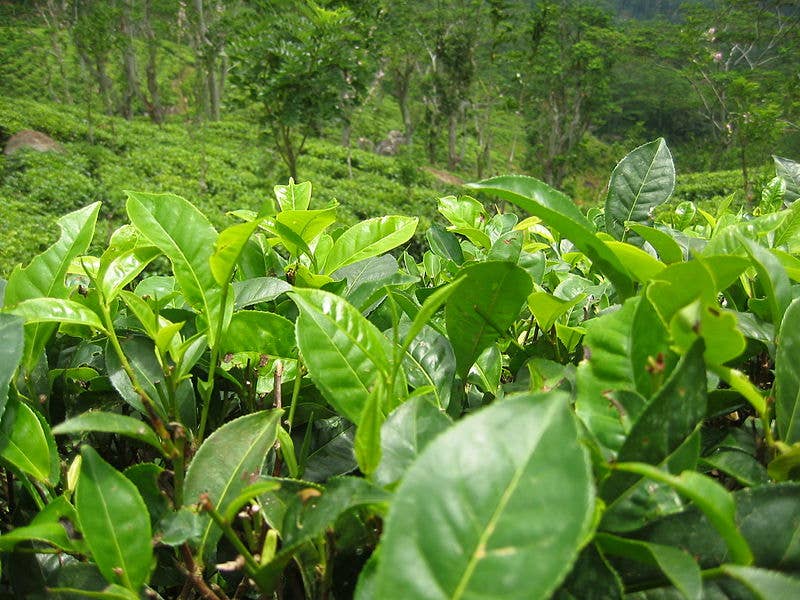
Fluoride Content in Chinese Green Tea vs. Japanese Green Tea
A study comparing fluoride levels in green tea produced in several Asian countries showed that the Chinese-grown tea had the highest fluoride levels, whereas the Japanese-grown tea had the lowest:
- China: 6.83 ppm
- South Korea 5.36 ppm
- Sri Lanka: 3.58 ppm
- Japan: 1.88 ppm
Even so, Dr. Andrew Weil, the world-famous integrative medicine specialist, says that he doesn’t think fluoride levels in green tea are anything to be worried about. “In general, I think concerns about fluoride are overblown. … You’d have to ingest about 20,000 times more fluoride than what’s in an 8-ounce glass of fluoridated water to see [a negative effect].”

Wait, Isn’t Fluoride Good?
Some basic level of fluoride is a good thing. It promotes strong teeth and fewer cavities—and when cavities do develop they are less severe. Less tooth decay means fewer fillings, fewer pulled teeth, and less overall pain and suffering.
Tooth decay was considered to be such a large public health concern that fluoride was added to many municipal water systems. It’s also added to many toothpastes and mouthwashes, and dentists will often recommend fluoride treatments, especially for children.
However, as with many things, too much of a good thing isn’t always so good—and too much fluoride can lead to a condition called fluorosis, which can affect the integrity of teeth as well as bones.
How Much Tea Might Cause Fluorosis?
How much tea do you need to drink before worrying about fluorosis? The answer is quite a lot.
The discovery of fluoride in tea has an interesting backstory. In 1998, a 52-year-old woman was diagnosed by a physician at Washington University (in St. Louis) with skeletal fluorosis. Her bones had become weak and brittle, leading to pain and crippling.
The doctor who diagnosed her traced the excess fluoride to her tea-drinking habit: she had been drinking a whopping one to two gallons of double-strength instant tea every day for decades! By the doctor’s calculation, she was drinking a total of 37–74 milligrams of fluoride per day.
Pregnancy and Fluoride Exposure
A study published in JAMA Pediatrics found an association between high fluoride exposure during pregnancy and adverse cognitive effects on the child. The study concluded by suggesting that people who are pregnant may wish to reduce their fluoride exposure during pregnancy.
If you are pregnant and consume a lot of tea, you should consult with your doctor to determine if the type and amount of tea you are drinking is safe, or if you should reduce your consumption until the child is born.
So … Which Tea Has the Lowest Amount of Fluoride?
Herbal tea contains very low to negligible amounts of fluoride. This is because this type of tea is not made from a true tea plant.
After that, the age of the tea leaves when they are harvested tends to determine the fluoride content.
- Herbal: very low to negligible (not made from true tea plants)
- White: low (tea buds and young leaves)
- Oolong: medium/high (mature leaves)
- Green: high (mature leaves)
- Black: high (mature leaves)
That said, it’s important to keep in mind that as long as you’re drinking a reasonable amount of tea, no matter what kind it is, the amount of fluoride you’re consuming is unlikely to be anywhere close to dangerous. Remember the St. Louis woman who was diagnosed with fluorosis; she had been drinking one to two gallons of double-strength instant tea every day for decades.
However, if you have specific health concerns or questions, it’s always a good idea to consult with your physician.
Read More About Tea
- Loose Tea vs. Teabags: Is There a Difference?
An in-depth look at the difference between loose-leaf and bagged teas based on my personal experience as an amateur tea-lover. - Parsley, Sage, Rosemary, and Thyme: Herbal Tea to Keep You Healthy
It’s amazing how much good a little plant can do for our health. Herbal teas aren’t just good for you, they are fun to create and they taste good too.
This content is accurate and true to the best of the author’s knowledge and does not substitute for diagnosis, prognosis, treatment, prescription, and/or dietary advice from a licensed health professional. Drugs, supplements, and natural remedies may have dangerous side effects. If pregnant or nursing, consult with a qualified provider on an individual basis. Seek immediate help if you are experiencing a medical emergency.
© 2012 Melis Ann